
Search Soddy-Daisy White Pages
Soddy-Daisy White Pages searches usually begin with the city website or police department and then move into Hamilton County when the record belongs to county court, the county clerk, the sheriff, or property systems. That order matters because Soddy-Daisy has a local municipal layer, but Chattanooga-based county offices hold the broader case and land record trail. A careful Soddy-Daisy White Pages search works best when city files and Hamilton County files are separated from the start.
Soddy-Daisy White Pages Quick Facts
Soddy-Daisy White Pages City Records
The City of Soddy-Daisy site at soddy-daisy.org is the local starting point when a Soddy-Daisy White Pages search begins with city business. The research points to city ordinances, commission meeting minutes, and department information, which means the municipal layer still matters before the search moves into Hamilton County. That is useful when the starting clue is a city meeting, ordinance issue, or local department contact.
Open records work under Tenn. Code Ann. Section 10-7-503 also fits that city-first structure. A Soddy-Daisy White Pages request is more effective when it names the likely city office instead of treating the city name and county name as interchangeable. That prevents city and county records from being blended before the office owner is even known.
Soddy-Daisy has a successful local image in the manifest, which fits the city-first search path for municipal records and local police material.
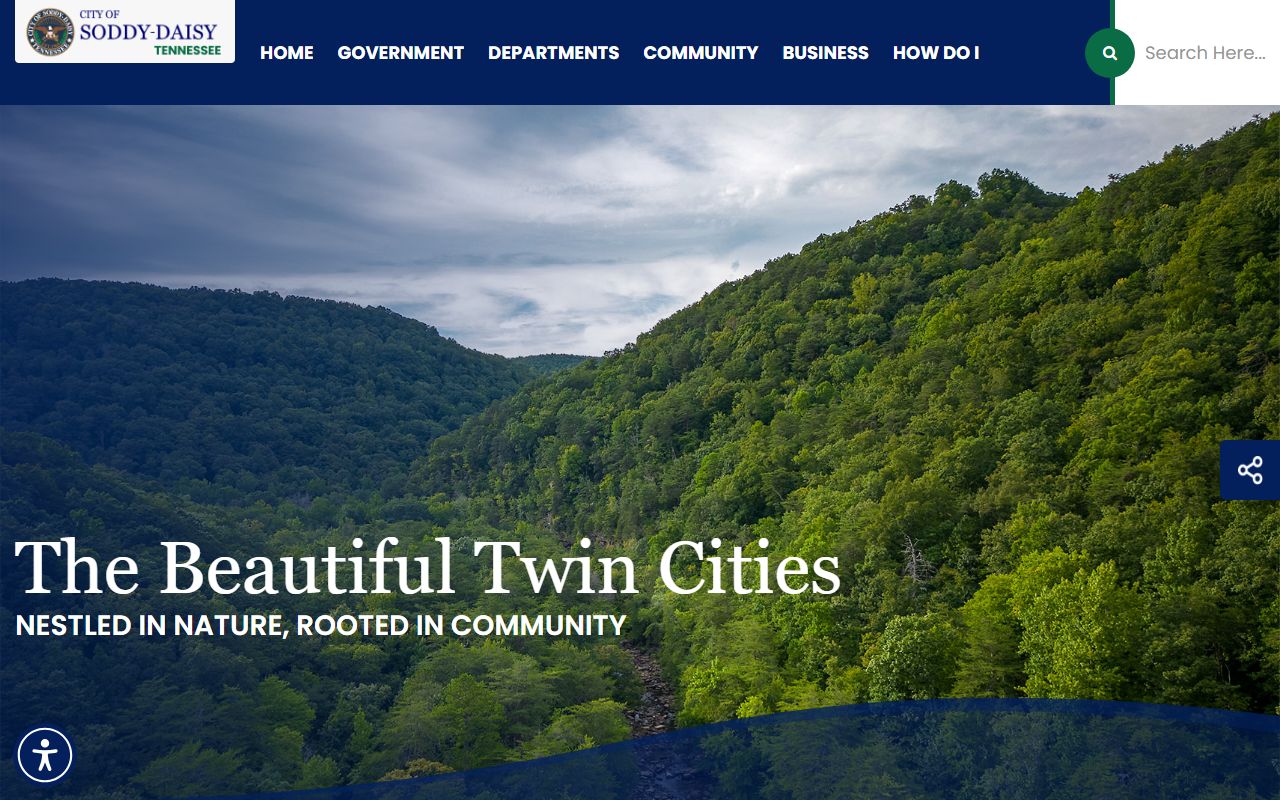
The city layer is important here because a local police report, a city meeting record, and a county criminal case do not begin in the same place.
That distinction is easy to miss in Soddy-Daisy because the city and county systems sit so close together in practice. A Soddy-Daisy White Pages search becomes more useful when the first step is to decide whether the file was created by a city office or by Hamilton County, not just whether the person lives in Soddy-Daisy.
Soddy-Daisy White Pages Police and County Bridge
The research for Soddy-Daisy points directly to the Soddy-Daisy Police Department for police reports and incident records, so local law-enforcement material should stay with the city side first. Once the matter moves beyond city handling, the next layer is Hamilton County, especially when the search becomes a larger criminal matter, a county case, or a county-held booking issue.
The Hamilton County Sheriff's Office open records path at hamiltontn.gov/Sheriff.aspx is useful when the search turns into county law-enforcement records. The broader county court map at hamiltontn.gov/Courts.aspx matters when the person search turns into a Hamilton County filing instead of a local city matter.
That city-then-county structure is what keeps Soddy-Daisy White Pages work accurate. It is not enough to know the name. The record owner still matters.
Soddy-Daisy White Pages Hamilton County Records
Hamilton County handles the broader record systems tied to Soddy-Daisy. The research points to Hamilton County Criminal Court, county court records, the county clerk, the register of deeds, and the county assessor as the main county systems affecting Soddy-Daisy residents. Those offices are typically centered in the county courthouse structure rather than in Soddy-Daisy itself.
The county property path matters whenever a Soddy-Daisy White Pages search becomes an address, parcel, deed, or tax assessment question. The county court path matters whenever the record turns into a larger criminal or civil matter. The city layer still matters first, but Hamilton County usually answers the deeper record trail.
That is why Soddy-Daisy White Pages searches often have a split geography. The city provides the local clue. Hamilton County provides the formal filing system.
Soddy-Daisy White Pages Search Strategy
A practical Soddy-Daisy White Pages search usually starts by deciding whether the file is city-created, county-created, or property-based. If it is a city meeting, ordinance, or local report, stay with Soddy-Daisy first. If it is a larger case or county law-enforcement matter, move into Hamilton County. If it is a parcel or ownership question, use county property systems early instead of late.
The Tennessee Court Information portal at tncrtinfo.com helps after the local path is already narrowed. The Tennessee State Courts site at tncourts.gov gives statewide court structure. The Office of Open Records Counsel at tn.gov/attorneygeneral/opinions/open-records-counsel.html helps refine a request that needs a clearer local office target.
The Tennessee State Library and Archives at sos.tn.gov/tsla is useful when the Soddy-Daisy White Pages search reaches older records that current city and county offices may not surface quickly.
More Soddy-Daisy White Pages Links
Soddy-Daisy White Pages searches stay more accurate when city records, county court records, and county property records are kept separate. These official links support that structure.
If a Soddy-Daisy White Pages search shifts from local city records into Hamilton County court, sheriff, or property systems, these sources keep the request pointed at the right office.
Soddy-Daisy White Pages Next Steps
If the trail begins with a city meeting, local report, or police contact, stay with Soddy-Daisy first. If it begins with a county case, booking issue, or land record, move into Hamilton County sooner. That local routing choice is what makes Soddy-Daisy White Pages searches practical.
Soddy-Daisy searches also benefit from remembering that many county records are managed in Chattanooga even when the people, addresses, or incidents are local to Soddy-Daisy. That makes it even more important to identify whether the file is truly municipal or county before the search widens. A Soddy-Daisy White Pages search stays cleaner when the city clue is sorted first and the Hamilton County filing path is used second. That local-to-county transition is where many searches either tighten up or drift. Once the office owner is known, the search usually becomes much faster.
That is especially true when the search begins with only a neighborhood clue, a police reference, or a property address instead of a case number. Those clues often point to very different offices.